Showing posts with label Math. Show all posts

Math Organization

During the school year I posted the picture below of how I organize my math materials on Instagram and I had several people ask to see what's inside the bins & for me to share the labels that I use, so I decided to do a quick post on here to answer all of your questions and share all of the products that I use!


These cases are where I organize my math materials by unit. I keep manipulatives in a separate area where kids can reach and use them whenever they want to. This stuff is what I pull out only during the specific unit. Inside each box there are centers, task cards, workbooks, small group materials, etc...

Clear Plastic Cases: These are scrapbook cases that I bought at Michael's. They are a little bit pricey if you need to buy a lot, but I have never paid full price for them! I always use coupons, my teacher discount, and wait until they are on sale to stock up. I also found a set of 6 of them on Amazon when I was browsing their prime day deals & you can find those here. (Disclaimer: I have not ordered the Amazon cases, so I can't promise that they are the same size/quality as the ones that I have!)

Labels: I created this set of 50 printable labels by going through the math standards for grades K-6. I print these out on white cardstock and then use clear packing tape to stick them on to the scrapbook cases. If there is a label you need that's not included, please let me know and I will add it!


What's Inside: Because we do Math Workshop at my school, I need to have a lot of centers/hands on activities to allow students to practice whatever skill we are focusing on each week. I have gathered resources from several places, so I'm going to share some of my favorites with you here!

1. Superteacherworksheets.com: Do not be deceived by the name - this site does not only have worksheets, they also have a TON of interactive resources for every math standard you could possibly think of. They have task card sets, games, puzzles, I have...Who has cards, center activities and more. This site is not free, but it's only $24.95 for a year subscription and that gives you unlimited access to all of the products!

2. 3rd Grade Math Centers Bundle: I bought this bundle the first year that I taught third grade and I LOVE IT! For each unit, there are 10 centers that cover all the different strands. For example - in the Place Value unit there is a center for digit values, rounding, differentiating between tens and hundreds, expanded form, making numbers, word problems, and more. This has been a huge time-saver and a great way to check understanding! (Not So Wimpy Teacher has bundles for other grade levels as well!)

3. My Math Center Activities: Whenever I have not been able to find just the right resource for a specific skill in math, I've created my own! Check out the links below for my resources.
Kindergarten:
Measuring Weight Center Activities

3rd Grade:
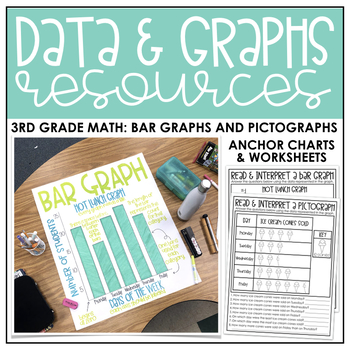
Data & Graphs Resources

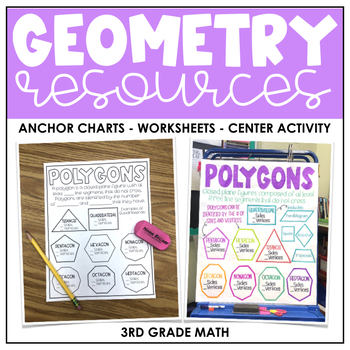
Geometry Resources

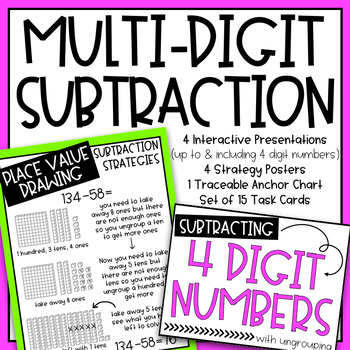
Multi-Digit Subtraction Unit

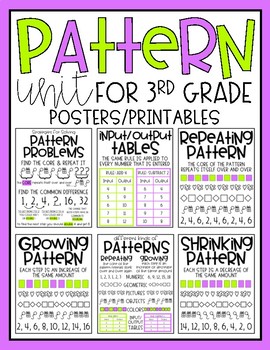
Pattern Unit

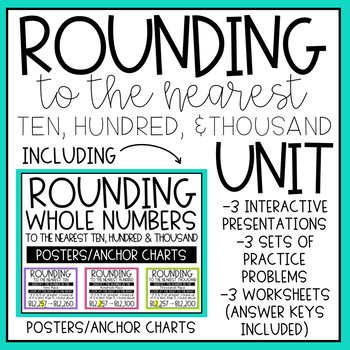
Rounding Unit

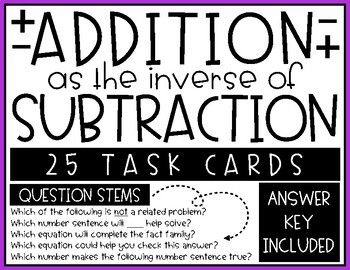
Math Task Cards: Addition As the Inverse of Subtraction


0

The Week Before Thanksgiving

Whew. What a week this has been! Last week we had a Grade Prep day on Tuesday and then Friday off for Veteran's day, so I had a really hard time coming back for a full 5 day week, but somehow we made it. Next week we only have two days of school! Woohoo!

Anyways, I thought I would share a bunch of different things that we have been doing since I haven't written in a while and I'll try to link everything I talk about in case you like what you see!

Math
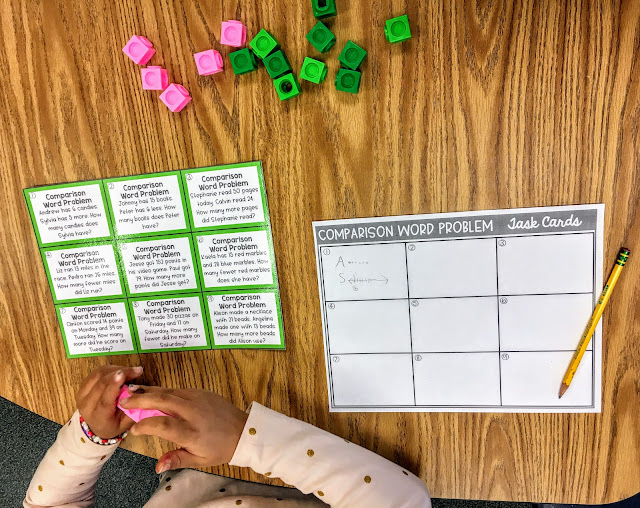
In math this week we have been working on word problems.

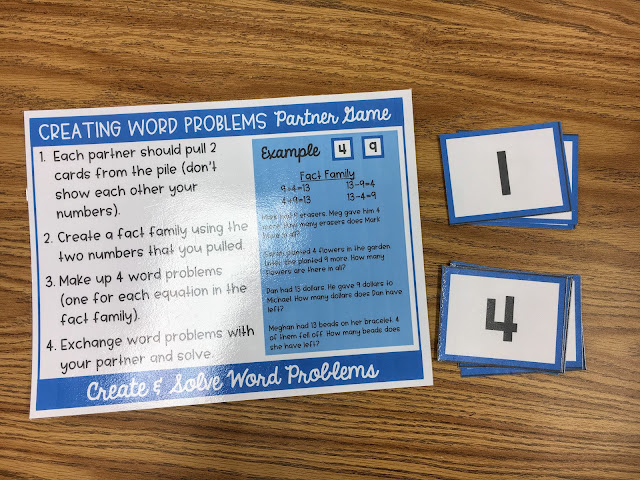
If you have been following me for a while, you know that I LOVE Math Workshop. The only thing I don't absolutely love about math workshop is that it takes a LOT of time to create, print, and prep activities and you need a LOT of activities (at least, I think you do). I was struggling this week because Superteacherworksheets, my usual go-to, didn't have many activities for word problems that didn't involve multiplication and division. I ended up making some of my own and you can grab those for free here.

https://www.teacherspayteachers.com/Product/FREEBIE-Word-Problem-Activities-3498473

https://www.teacherspayteachers.com/Product/FREEBIE-Word-Problem-Activities-3498473

I also found this FABULOUS website and grabbed several of their sample activities for free. I'm considering investing in their grade level math centers because these were so nicely aligned with the standards and they were easy to prep and use! I just printed some of their easier task cards and worked with my kids who needed some review on different strategies for solving word problems.


Science
In Science this week we wrapped up our study of Plants and Animals. After completing all of the Science Fusion lessons, I had students go back and review everything we learned from the book by filling out this booklet, which was also a nice way of introducing/reviewing nonfiction text features.

https://www.teacherspayteachers.com/Product/Plant-and-Animals-Booklet-3474124

https://www.teacherspayteachers.com/Product/Plant-and-Animals-Booklet-3474124
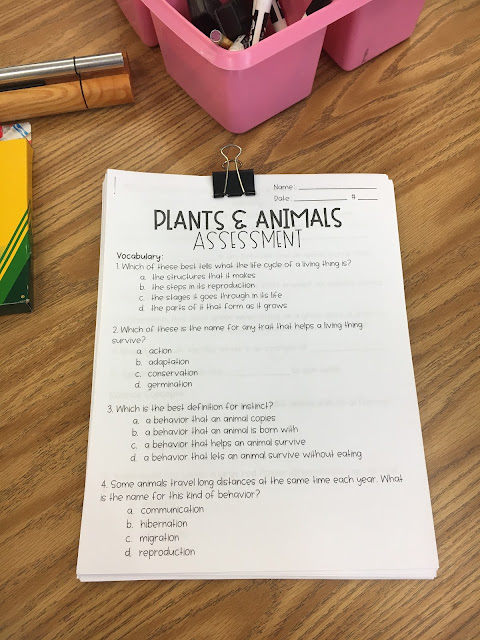
I sent home the booklets and a study guide for students to prep for the test. I also created my own test because the Science Fusion one didn't really match up with our 3rd Grade Science Standards. Click on the links above or picture below to grab these resources for free!

https://drive.google.com/file/d/1JWB0h3gCHDb92amYcpvnr3D5-4mQFvYT/view?usp=sharing

Reading
In reading we are focusing on nonfiction/informational text this quarter. I used to find this difficult to teach because I personally prefer to read fiction, but so far I have been having a lot of fun with it this year! I did an intro lesson on how to preview nonfiction text and then gave students nonfiction texts at their levels to preview and read with their reading partners.


Next we worked on identifying the main idea and details and every day students met with their reading partners to practice this skill, met with me in guided reading groups, and/or completed a practice activity independently during our reading rotations.


In my guided reading groups I used the Comprehension Skill Packs from Reading A-Z for Main Idea and Details and just used different grade level packs to differentiate for my leveled groups.

I had my kids complete practice passages and questions from Readworks for independent practice and as a informal assessment. I differentiated this activity by pulling passages from different grade levels on the site. (This is a free site, by the way, and it has so many passages that you can search by topic, grade level, or even reading skill or strategy. I just went on and looked up Main Idea & Details passages and printed out 4 different grade levels to match the levels of my reading groups). 

Writing
In writing, we are also working on informational text. We use Lucy Calkins for writing and, while I  really like a lot of her minilessons and find the rubrics very helpful for planning what to teach, I am not the biggest fan of following along with her plans step-by-step.

SO, I decided to try something different this quarter and I created my own writing unit that I thought would work best for my students. I believe that it meets all of the same standards that Lucy does, it just breaks them down into a more strategic, kid-friendly approach.


Each day we completed one of the lessons in my unit. Every lesson consisted of me explaining our goal for the day, modeling how I used the graphic organizer to reach that goal, and then giving students time to talk to partners or groups and then use the graphic organizer themselves.

Here's an example: The first thing we did was choose a topic, so I modeled how I brainstormed a list of topics that I am an "expert" on and then I thought aloud about which one would be the best choice. Once I chose my topic I modeled coming up with subtopics (like chapters in a nonfiction text). Finally I modeled how to teach a group about my topic and use their feedback and questions to jot down notes for myself. Then I gave kids time do choose their topics, list subtopics, and teach their groups.


I also met with small groups to see how they were doing towards the end of the week and to work on writing leads (see below).


I will do a more in depth post on this writing unit soon, but if you are interested in checking it out, you can find it in my store by clicking here.
0

Math Workshop

Hi guys!

I have been having so much fun teaching math this year and have gotten a few questions about how math workshop works/where to get resources for it, so I wanted to share all about that here today! I'm just going to walk through what my math block looks like on a given day and then share resources with you in case you want to try this out in your classroom!

Warm Up:
I start every math lesson with a warm up problem just to get everyone focused and ready to learn. My students know that as soon as snack time is over, they are expected to head to their seats on the carpet with their math notebook and a pencil. (If I'm on top of things ahead of time, I'll type this up and project it on the board, but if not I just write the problem on the whiteboard). 

Warm Up Review: 
This is a part that I really like because the kids get to do the teaching - I ask students, not just to tell me their answer for the warm up, but to share step-by-step how they got to their answer. I write down what they did as they are speaking, so if they forget to explain a step I ask them to explain more clearly so I can keep up on paper. I usually create an anchor chart with the different strategies that they come up with for everyone to refer back to. I think this helps them all to check themselves and each other and sometimes my kids come up with strategies that I wouldn't have thought of but that might help one of their classmates! (Depending on the standard that we are working on that day, this part may be my entire mini-lesson).


Minilesson w/ Guided Practice
If the standard that we are working on requires me to teach a procedure rather than allowing for many different strategies (rounding, comparing numbers, etc...), I usually have a really short slideshow presentation or a quick pocket chart activity that requires some kind of work on their part. I'll show them how I solve a problem and then immediately give a practice problem for them to try. This allows them to ask the questions that they need to ask before going off to work independently and it lets me see who is struggling and who is breezing right through. (This also keeps my kids from getting wiggly and distracted while I am teaching!)

Here is an example of a presentation from my Place Value Unit that we went through and the pictures below are of students completing the practice problems during the minilesson:


Quick formative assessment
Sometimes I will use one of my math stations as a formative assessment, but recently I have been using the website Quizizz to do a quick check on who gets the math skill that we are working on each day and who doesn't. The reason that I like to use Quizizz is that it shows you students' progress in real time. As they are answering questions, you can watch on your computer and see how many problems each student is getting right or wrong. Once they finish, I get everyone set up doing independent stations and I pull the group of kids who got the lowest scores on the Quizizz to reteach and let them do more guided practice.

I create the Quizizz myself using test questions and/or task cards. You can upload an image as the question (see pictures below), so if I want to use task cards for my formative assessment, I just export them as images and then upload them to Quizizz. (This also saves me so much time when it comes to grading!)


Independent stations
I like to have at least three independent or partner activities for my students to do each day. I give them a Think-Tac-Toe board or a Math Menu before sending them off to work on their own, and I tell them that once they are done with all or at least three (or however many activities I want them to do that day), they can get on their iPad and do Reflex Math or Mobymax (both amazing, adaptive math programs that help with fact fluency!). The menu keeps them accountable and I usually have one activity that everyone must do that requires them to record something and turn it in. (I make them staple their menu to their work that they turn in so I can send it home and their parents can see that they did more than just the one activity that they turned something in for).


Students working on a partner game from Superteacherworksheets.com
(They each had to roll a 3-digit number and then compare their numbers)

Guided Math
Sometimes, for guided math, I teach my groups a new strategy for solving a problem, like using place value blocks to solve multi-digit addition (see video). I like to have manipulatives available during guided math lessons so kids can use them if they want or need to. I normally teach a strategy or "trick" for solving a problem and then have them do a bunch of practice problems at my table so I can watch and they can ask for help if needed. I try to pull my lowest group first so that we have plenty of time to work together before they go do their independent work.

Students working on ordering 3-digit numbers

Guided Math Group working on representing addition of multi-digit numbers using place value blocks

(This is also a great time to work on word problems related to the skill that I am teaching because I can read a problem to them and we can work together to extract the information that we have and everyone can share their strategy for solving).

Where to get resources
Math workshop requires a lot of preparation and resources, but I've got to say, it is so worth it! My students love math this year and I love teaching it. I like that it's not me standing in front of the whole class teaching the whole time. My role is a lot more like the "guide on the side" while they work through their activities for the day. 

Superteacherworksheets.com is an amazing resource for Math Workshop. In addition to worksheets (which I give for homework) they have task cards and center activities for every math skill! I have also found a lot of free resources on Pinterest and TPT. One thing that has saved me a ton of time has been getting parent volunteers to help with cutting, laminating, and prepping station activities. I asked the parents at back to school night if they would be ok with me sending stuff home for them to prep for me and several of them said yes, so I try to plan as far in advance as I can and send home bags full of work for them to help me with. 

I am linking my pinterest board for math in case you want to go check out some of the awesome, free resources that I have found & this is the link to the math section of my TPT store for even more resources!
0

Lent & Easter

We have been busy, busy, busy observing the season of Lent and preparing for Holy Week and Easter! Since we get out of school for vacation before Easter Sunday, I decided to focus on Holy Week early and begin our celebration of Jesus' resurrection this week. Here are a few activities that we did & I'll do my best to attach links so you can do them yourself if you would like!

Holy Week
We put together these mini books and read them together before discussing what happened on each day of Holy Week in more detail.

Stations of the cross
In the past I have taken my class to Stations of the Cross with the rest of the school and I have always felt like the kids were either bored or confused by all of the kneeling and standing and reciting and kneeling and standing and so on. This year, I decided to change things up and we have been doing our own stations of the cross in the classroom using the Multimedia Stations for Children from Loyola Press. I highly recommend this for little ones! The descriptions of the stations are short and my students really seemed to be interested and to understand what was going on (one of my little tough guys even cried the first time we did them together!)

Palm Sunday
I had the kids trace their handprint (palms...get it?) on green paper six times and cut them out. Then they glued three together to look like a palm branch and taped a popsicle stick onto the back.

After we read the story of Palm Sunday in our Children's Bible and learned the first part of the song Shout Hosanna we reenacted the scene. They waved their palm branches and sang while our volunteer Jesus walked through pretending to ride his donkey. It was very cute and they really had fun with it.

Holy Thursday
To explain Holy Thursday I read the story from our Children's bible of the washing of the feet, the last supper, and Jesus' arrest after praying in the garden. I was planning on having the kids do a Last Supper coloring page afterwards, but all of our printers AND copiers went down and my personal printer ran out of ink so I had to improvise. We did some directed drawing instead - I walked them through step by step but told them to get creative and that their's didn't have to look exactly like mine. Here's what mine ended up looking like:

And here are some of their masterpieces.


As you can see, some of them got very creative!


Good Friday
I found this art project on Do Small Things With Love and loved it but wasn't sure if we could handle watercolors. Instead, we ripped up some construction paper and glued to make a mosaic/stained glass window looking thing and it turned out to be pretty great!


Easter
This year I made my own Easter packs for Math and Literacy that you can grab for yourself from my TPT store if you are interested! Here are a few of the activities that are included:

Letter Hunt:
I hid the letter eggs around the room and showed them how to look for one at a time & to be sneaky about it and then let them go on a hunt. Each time they found one they gave them to me and then looked for more. Once I had all 26 we met on the carpet, put them in the pocket chart after taking turns making the sounds, and then put them in alphabetical order.


Story Elements: Before reading, I showed the kids the story elements graphic organizer that we would complete after the story and we reviewed the parts of a story with our favorite song by Dr. Jean:
Then we read Old Hippo's Easter Egg and stopped along the way to discuss the characters, setting, problem, and solution. After going over the worksheet one last time, I sent them to their tables and they got right to work. Of course my early finishers asked if they could color in the "peep, egg, chick, and other egg" and I said sure, why not...it is Easter after all :)


You can grab these and more Easter activities from my TPT store!


OR buy both together for a discounted price :)


0
Back to Top